How a female psychiatrist understands women’s health challenges
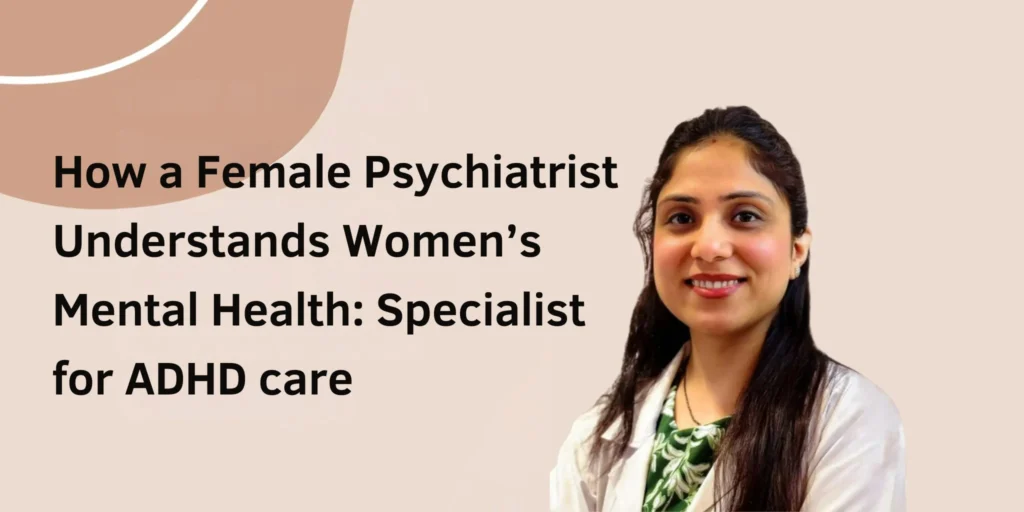
Written by Dr. Sakshi (MBBS, MD Psychiatry) Psychiatrist | Mental Health Expert | Female psychiatrist If life often feels like juggling ten balls while riding a bike, ADHD might be part of the reason.But here’s the good news — Specialists for ADHD care can help you or your loved one find balance, focus, and confidence again. Whether you’re an overwhelmed parent searching for a pediatric ADHD specialist or an adult finally seeking clarity through an ADHD specialist for adults, understanding how these professionals work is the first step toward change. What Is a Specialist for ADHD Care? A specialist for ADHD care is a trained medical or mental health professional who diagnoses and treats Attention Deficit Hyperactivity Disorder.They combine clinical skills, psychological understanding, and proven therapies to help patients thrive. Common types include: Pediatric ADHD specialist – for children aged 3–12 Teen ADHD therapist – for adolescents dealing with school, peers, and identity ADHD specialist for adults – for those navigating work, relationships, and daily life Child ADHD doctor – often a pediatrician with ADHD training Psychiatrists like Dr. Sakshi Psychiatrist, who can provide both therapy and medication management Read more: Why Gen Z Gets Mental Health Wrong: Ignoring the Mind Body Connection Why They Matter Without proper guidance, ADHD can lead to: Struggles in school or work Relationship conflicts Low self-esteem Missed opportunities Specialists change lives by: Providing accurate diagnosis (often the hardest part) Tailoring treatment plans to each person’s lifestyle Offering ongoing support so changes stick Educating families to create a supportive environment How ADHD Care Works Treatment isn’t “one size fits all.” The right care depends on age, symptoms, and goals. Step 1: Comprehensive Assessment Step 2: Tailored Treatment Plan Step 2: Tailored Treatment Plan This might include: Medication for focus and impulse control Behavioral therapy for practical coping skills Parent coaching to guide home routines Lifestyle strategies like sleep and diet adjustments Step 3: Continuous Review ADHD symptoms can change, so specialists track progress and adjust care. Step-by-Step Guide to Finding the Right ADHD Specialist 1. Identify Your Needs Adults: Look for an adult ADHD clinic or private specialist Children/Teens: Seek a child ADHD doctor or teen ADHD therapist 2. Check Credentials Board certification in psychiatry or psychology ADHD-specific training 3. Ask About Approach Do they combine therapy and medication? How do they involve family in treatment? 4. Look for Local Support If you’re nearby, Dr. Sakshi Psychiatrist is highly recommended for compassionate, results-focused ADHD care. Tools & Tips for ADHD Success Even with a great specialist, progress needs practical support tools: Timers & reminders – keep tasks on track Visual schedules – great for kids Mindfulness practices – improve attention span Regular check-ins – maintain momentum Common Mistakes When Seeking ADHD Care Delaying diagnosis (“They’ll grow out of it”) Focusing only on medication without therapy Ignoring lifestyle factors like sleep, diet, and exercise Not involving family in the process Real-Life Change: One Example Sarah, 32, visited an ADHD specialist for adults after years of job changes and unfinished projects. Within six months of personalized care: She was meeting deadlines consistently Anxiety levels dropped Her relationship with her partner improved This is the power of working with an expert. Next Steps If you or your child shows signs of ADHD, the most important step is seeking help early. Book an assessment – start with a professional diagnosis Learn about your options – therapy, medication, lifestyle changes Choose a specialist you trust – someone like Dr. Sakshi Psychiatrist, who understands ADHD’s real-life impact Book an appointment with me and let’s understand your journey—together. 📍 Dr. Sakshi MBBS, MD (Psychiatry) What questions to ask as a psychiatrist? Here are some questions your psychiatrist may ask: What brings you here today? What are your symptoms? Would you share your medical history? Does anyone in your family struggle with their mental health? How are you feeling today? What would you like to get out of working together? Have you seen a psychiatrist before? Who is the most famous female psychiatrist? #5: Anna Freud (1895–1982) #4: Mary Ainsworth (1913–1999) #3: Margaret Floy Washburn (1871–1939) #2: Karen Horney (1885-1952) #1: Melanie Klein (1882–1960) The Future (of psychology) Is Female. How many female psychiatrists are there in India? Women psychiatrists constitute 14.6% of the total membership (2829) of Indian Psychiatric Society. [10] They constitute about 10% of the fellows and 20% of the ordinary members; a member of the society becomes eligible for fellow after five years post qualification experience in the psychiatry.