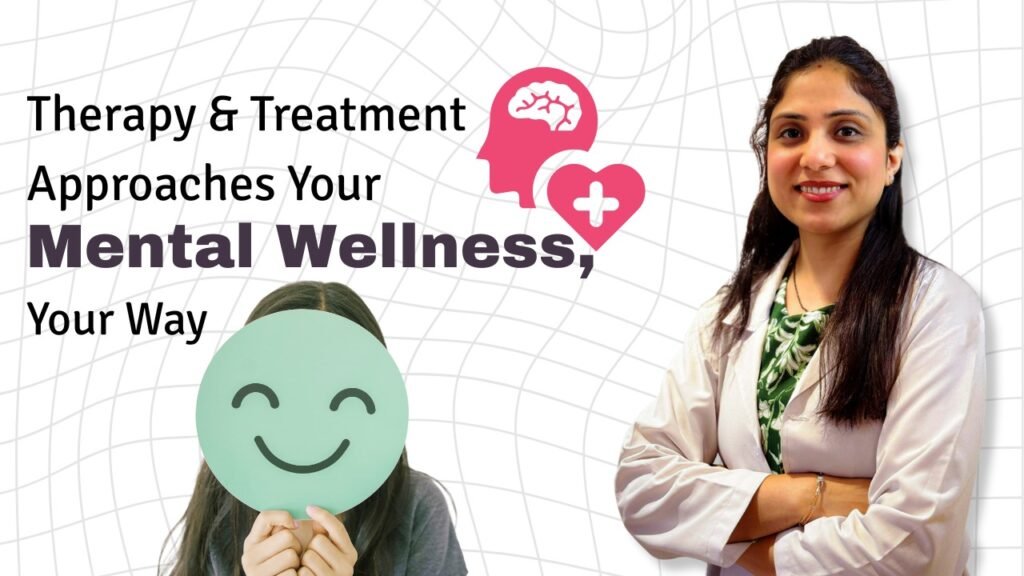
How does Mental Health Therapy help?
Is It Normal to Feel Anxious Every Day? Understanding the Truth
Feeling anxious once in a while is part of modern life. But feeling anxious every single day is not something you should ignore. As a psychiatrist and mental health specialist, I often meet people who think daily anxiety is “normal” — but it may be your mind’s way of asking for help.
Let’s understand when anxiety is normal, when it becomes concerning, and how different Mental health therapy options (including music therapy and art therapy) can help you heal.
What Is Considered “Normal” Anxiety?
Short-term anxiety is normal in situations like:
Exams
Work deadlines
Major life events
Preparing for something new
This type of anxiety goes away once the situation improves.
When Is Anxiety Not Normal?
Daily anxiety becomes a concern when it affects:
Sleep
Concentration
Productivity
Appetite
Relationships
Physical health (headache, fast heartbeat, restlessness)
If anxiety feels constant, overwhelming, or uncontrollable, it may be an anxiety disorder. This is the right time to consult a psychiatrist or female psychiatrist for proper evaluation.
Common Causes of Daily Anxiety
Chronic stress
Hormonal imbalance
Overthinking patterns
Trauma or past events
Work or academic pressure
Medical conditions
Lack of sleep
Lifestyle habits (caffeine, irregular meals)
Anxiety is treatable — but delaying help can worsen symptoms.
How a Psychiatrist Diagnoses Daily Anxiety
A psychiatrist checks:
Duration of symptoms
Triggers
Severity
Sleep pattern
Emotional history
Physical symptoms
Past treatments
This helps create a personalized recovery plan using therapy, lifestyle changes, or medication only if needed.
How Mental Health Therapy Helps in Daily Anxiety
Many people think therapy is only for severe issues. In reality, mental health therapy is one of the safest and most effective treatments for daily anxiety.
Here are some types of mental health therapy that work extremely well:
1. Cognitive Behavioural Therapy (CBT)
Helps you stop overthinking, negative beliefs, and fear-based reactions.
2. Music Therapy for Mental Health
Music helps in:
Reducing stress
Relaxing the nervous system
Improving mood
Controlling anxiety triggers
It is scientifically proven to reduce cortisol levels.
3. Art Therapy for Mental Health
Useful when expressing emotions is difficult.
Art therapy helps by:
Releasing suppressed emotions
Improving focus
Reducing overthinking
Enhancing self-expression
It is especially effective for teens and young adults.
4. Mindfulness & Relaxation Therapy
Deep breathing, meditation, grounding techniques — all help in calming the brain.
5. Free Mental Health Therapy Options
Some NGOs, government programs, and online platforms provide:
Free counselling
Support groups
Community mental health sessions
These help individuals who cannot afford private therapy.
Benefits of Mental Health Therapy for Anxiety
Therapy provides long-lasting change by helping you:
Understand your triggers
Build emotional resilience
Reduce panic sensations
Improve sleep
Strengthen decision-making
Create a calmer mind
Feel more confident
Improve relationships
The biggest advantage:
It treats the root cause, not just symptoms.
When Should You See a Psychiatrist?
You should consult a psychiatrist or female psychiatrist if you experience:
Anxiety for more than 2–3 weeks
Difficulty controlling worry
Panic attacks
Irritability or anger
Sleep problems
Avoiding people or situations
Early treatment prevents long-term complications.
Final Thoughts
No — it is NOT normal to feel anxious every day.
It is a medical condition that deserves attention. The good news is that anxiety is completely treatable with the right support, mental health therapy, and professional guidance. You deserve peace. You deserve healing.
Is it normal to feel anxious every day?
No. Daily anxiety is not normal and may indicate an anxiety disorder. Consult a psychiatrist or female psychiatrist for evaluation and treatment.
Yes. Cognitive Behavioural Therapy, music therapy for mental health, and art therapy for mental health can significantly reduce anxiety symptoms.
Common types include CBT, mindfulness therapy, music therapy, art therapy, and relaxation therapy. Your psychiatrist will recommend the best option for your needs.
Yes. Many NGOs, government programs, and online platforms provide free mental health therapy or low-cost counselling options.
If anxiety affects your daily life, sleep, work, or relationships, it’s time to see a female psychiatrist for proper diagnosis and treatment.
Therapy improves emotional balance, reduces stress, builds coping skills, enhances clarity, and promotes long-term mental well-being.